Garden Grove didn’t grow slowly. It surged from a small town into a large city in a single postwar generation, with thousands of homes built in a compressed window using the same era’s materials and methods.
That history matters because termites love patterns. When an entire neighborhood shares similar framing, similar foundations, and similar detailing, the vulnerability points tend to repeat from block to block.
Many of the homes built in the 1950s and 1960s follow the same basic profile: single-story, around 1,500 square feet, often three bedrooms and one bath, on a slab or raised foundation. They were built before today’s termite-resistant construction habits became common, which means the baseline risk is baked into the original structure.
Uniformity is what makes this a Garden Grove story rather than a generic Southern California story. When one house on a street has termite activity, the neighboring homes often share the same construction realities, and sometimes the same environmental conditions that allow colonies to persist.
The Construction Details That Invite Termites
A lot of the framing lumber used in that era was untreated by modern standards. There was no borate treatment and often no meaningful barrier strategy at the soil line, so subterranean termites can exploit weak transitions where wood and moisture meet.

Earth-to-wood contact and clearance issues are a common pathway. If framing sits too close to grade or meets a foundation detail that allows concealed travel, termites can move from soil into structural wood with minimal exposure.
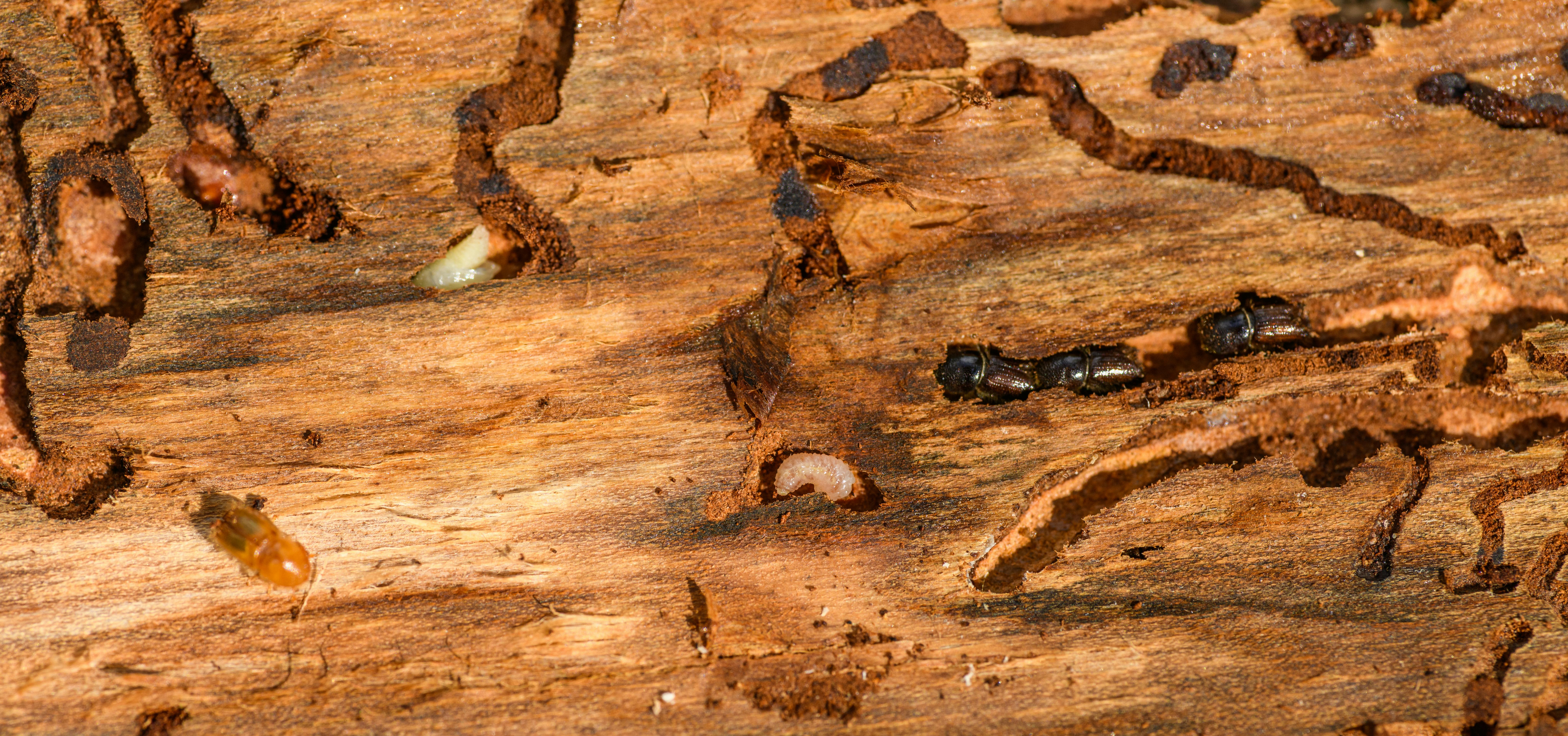
Drywood termites don’t need soil contact, which is why older wood elements can become their entry points. Original siding, trim, and window framing on homes that haven’t been retrofitted can provide accessible wood surfaces that allow colonies to establish in place.
Moisture makes the whole picture worse, especially for subterranean species. Aging plumbing, slow leaks under slabs, condensation in crawl spaces, and drainage problems around foundations create the damp conditions that make wood softer and more attractive.
Garden Grove’s climate keeps this from being a seasonal issue. Without a hard freeze to slow things down, both drywood and subterranean activity can remain viable throughout the year, which is why “wait and see” often turns into “how long has this been here.”
Why Organic Methods Fit These Patterns
The reason organic and low-toxicity approaches can make sense in Garden Grove is that infestations often follow recognizable routes. Drywood activity frequently shows up in attic framing, roof structure, and window headers, while subterranean activity tends to track toward foundation contact points and plumbing penetrations.
When the affected areas are identifiable and reachable, targeted treatment becomes a real option. That’s where localized approaches can solve the problem without treating the entire structure like a sealed container.
Orange oil is a good example of a tool that works when the scope is contained. When a technician can locate the drywood activity and access the wood, injection allows treatment of the affected area without tenting, evacuation, or lingering residue in the home.
Borate treatments are another strong match for Garden Grove houses, especially during remodels. When walls are open and older framing is exposed, applying a borate product like Bora-Care gives that decades-old lumber a protective layer it never got at construction.
Heat treatment can fill the gap when drywood activity is broader than a single injection zone. It provides a non-chemical way to treat drywood termites across a defined area, which can be useful when the colony footprint is larger but still contained to specific sections of the structure.
The key is that these methods work best when they’re matched to patterns you can actually reach. Organic treatment succeeds when the inspection confirms the problem is accessible and limited enough to treat directly.
When Organic Isn’t Enough
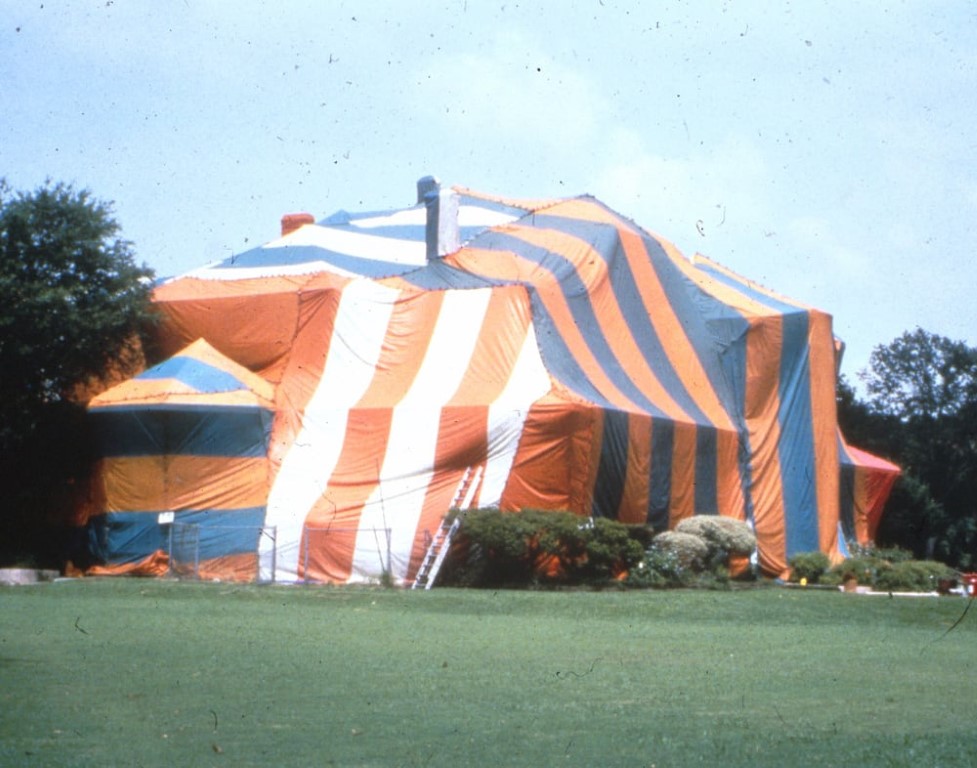
Not every Garden Grove property will qualify for organic treatment, and pretending otherwise is how homeowners end up paying twice. When subterranean colonies are extensive, when activity is entrenched across multiple concealed pathways, or when damage suggests a long-standing issue across the frame, fumigation or broader structural treatment may be the more reliable answer.
This is where sequencing matters. Natural Science Exterminating’s approach is to start with inspection and exhaust targeted options first, then recommend tenting only when the evidence shows localized methods won’t address the scope.
That difference is practical, not philosophical. It means the recommendation is driven by what the structure is actually dealing with, rather than what is simplest to quote and schedule.
The Same Logic Applies To Garden Grove’s Commercial Buildings
Garden Grove’s commercial corridors were built during the same postwar growth period as much of its housing stock. The strip malls, small office buildings, and retail spaces along major streets often share the same era’s materials, similar aging plumbing realities, and decades of exposure without modern preventive treatments.
That overlap is why the same treatment logic carries over, but the stakes look different. Commercial termite treatment adds operational constraints that residential work doesn’t, because tenting a business often means closing it, losing work days, and dealing with customer perceptions the moment a tent goes up.
For many small businesses, the best solution is the one that resolves the issue with the least disruption, as long as it’s still effective. Targeted orange oil applications after hours, borate treatment during a tenant improvement project, or localized heat treatment in affected zones can be appealing when the inspection confirms the infestation is contained.
This is also where a conservative, inspection-first mindset can save money. A business owner doesn’t just pay for treatment, they pay for downtime, so a plan that matches the scope accurately can avoid unnecessary operational disruption.
Garden Grove’s building era makes termite risk more predictable than many owners want to admit. The practical upside is that predictable risks can be managed well, as long as the treatment choice is based on inspection findings instead of a one-size recommendation.
For homeowners and business owners alike, the smartest first step is clarity. Once you know what type of termites you’re dealing with and where they’re active, you can choose the least disruptive effective method and keep the property protected without turning the solution into a bigger event than it needs to be.
Natural Science Exterminating
+17146274048
11642 Knott Ave, Garden Grove, CA 92841